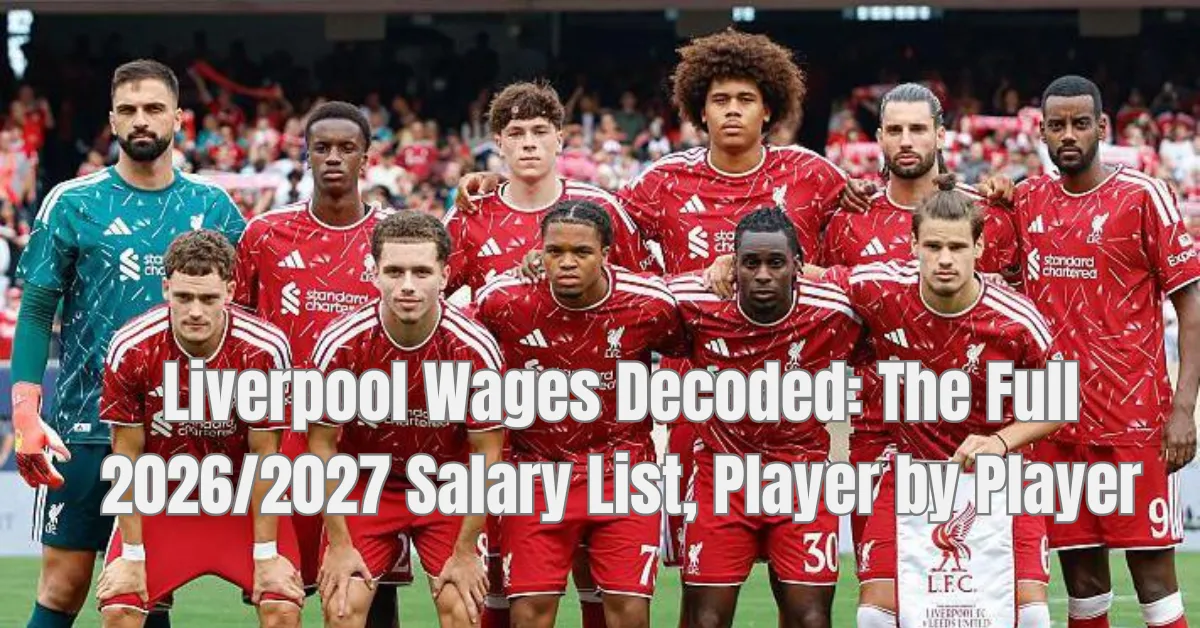
When LeBron James invested in Liverpool Football Club in 2011, few could have predicted just how dramatically the club’s value would rise over the next 15 years.
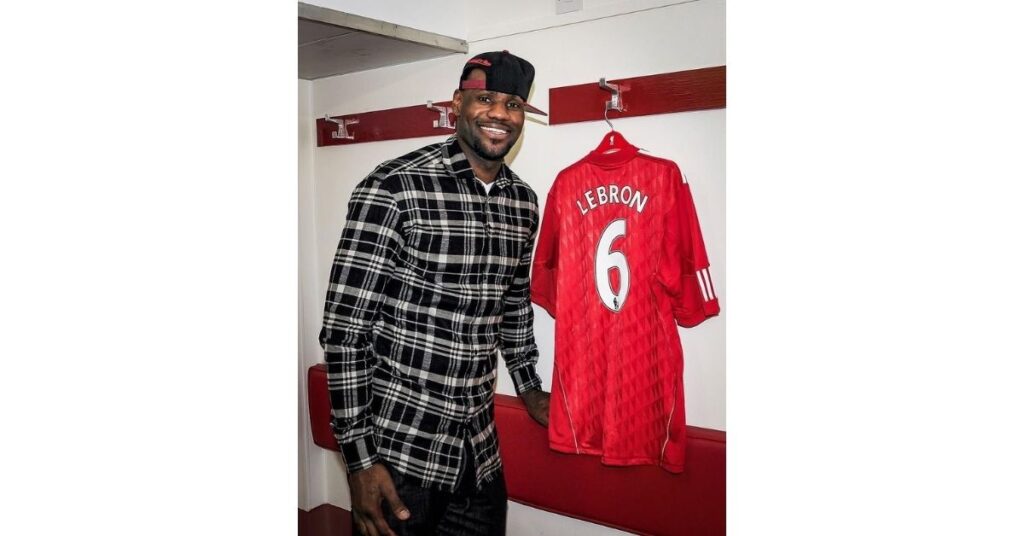
LeBron James in the Liverpool dressing room
The NBA superstar reportedly acquired a 2% stake in Liverpool for around $6.5 million, at a time when the club was valued at approximately $325 million.
Fast forward to 2026, and Liverpool has entered an entirely different financial stratosphere.
Following Fenway Sports Group’s agreement to sell a minority stake to a consortium involving Amit Bhatia, Jeff Bezos and other investors, Liverpool was valued at more than $7 billion.
From $325 Million to $7 Billion
If LeBron’s original 2% Liverpool stake were still held directly today, a $7 billion valuation would put that stake at approximately $140 million.
That would represent a remarkable increase from the original $6.5 million value.
In simple terms, the hypothetical value of the stake would have risen by roughly $133.5 million, or more than 20 times its original value.
That is the kind of long-term appreciation that makes LeBron’s early involvement in Liverpool such an interesting sports-business story.
But LeBron No Longer Owns That Exact 2%
There is an important detail behind the headline.
LeBron did not simply hold onto his original 2% Liverpool stake until today. In 2021, as part of a major investment by RedBird Capital Partners into Fenway Sports Group, James and his business partners exchanged their direct Liverpool interests for ownership in FSG, Liverpool’s parent company.
That meant LeBron moved from owning a direct slice of Liverpool to having a broader interest in the sports conglomerate behind the club.
And that portfolio is much bigger than Liverpool.
FSG’s assets and investments have included Liverpool FC, the Boston Red Sox, Fenway Park and the Pittsburgh Penguins, among other sports and media interests.
A Smart Business Move
LeBron’s Liverpool investment is another example of how elite athletes are increasingly thinking beyond their playing careers.
The decision to accept equity connected to Liverpool in 2011 gave James exposure to one of the world’s most recognisable sporting brands at a relatively early stage of its modern commercial growth.
Liverpool had already been a historic football institution, but under FSG the club experienced significant growth both on and off the pitch.
Major trophies, global commercial expansion, increased revenues and the growing worldwide popularity of the Premier League all helped transform Liverpool into one of the most valuable football clubs on the planet.
The club’s latest minority investment deal is a clear illustration of just how far that transformation has gone.
From $6.5 Million to a Global Sports Empire
LeBron’s Liverpool story isn’t simply about buying a football club stake and watching its value increase.
It is about understanding the power of sports, global brands and long-term ownership.
In 2011, $6.5 million bought James a small piece of Liverpool.
Fifteen years later, Liverpool is valued at more than $7 billion.
While LeBron’s original Liverpool stake was later converted into an interest in FSG, the decision remains one of the most fascinating investments ever made by a professional athlete.
From the NBA hardwood to Anfield — LeBron James understood the value of Liverpool long before the rest of the world caught up.