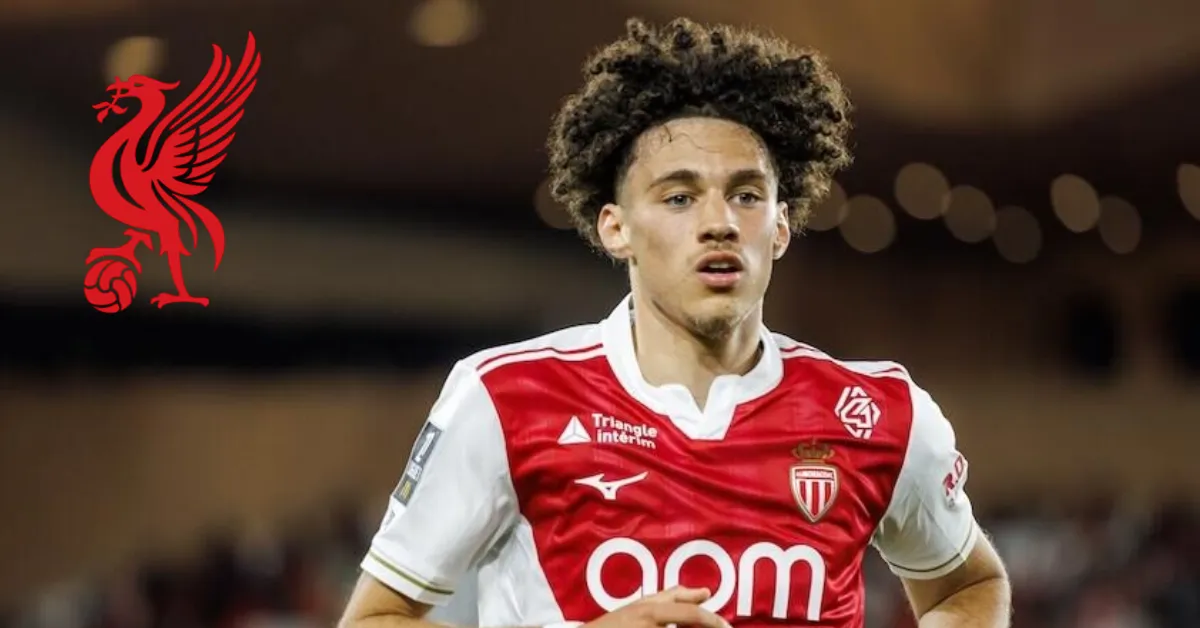
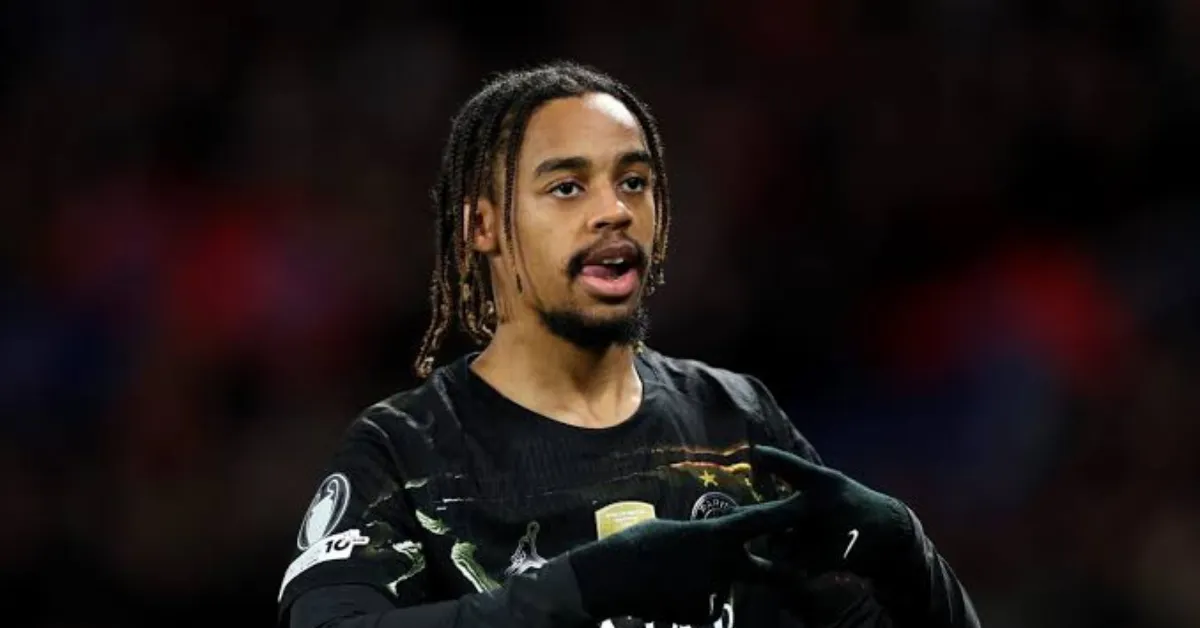
Bradly Barcola has the work rate, movement and attacking instincts to cause serious problems for Premier League defenders. But there is one area of his game that continues to raise questions: what happens when he gets the ball at his feet?
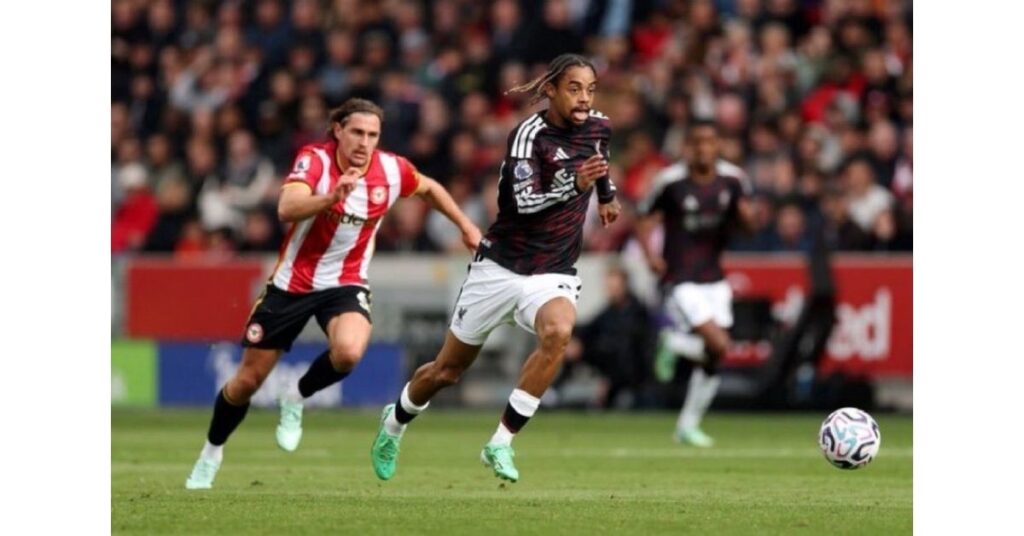
Bradley Barcola in Liverpool Away Kit.
The Liverpool forward offers plenty without possession, pressing aggressively, tracking back and making intelligent runs that create space for his teammates. Yet, when opportunities arrive to make a decisive contribution himself, hesitation and poor decision-making can undermine all that good work.
His latest performance offered a perfect illustration of both sides of his game. Barcola provided an assist, but he also missed opportunities to make an even greater impact, leaving the feeling that he could have finished the game with two goals and two assists.
For Liverpool, the challenge is clear: turn his impressive off-the-ball work into greater attacking output.
Barcola’s Off-the-Ball Movement Is a Major Asset
One of the most encouraging aspects of Barcola’s game is his contribution when Liverpool do not have possession.
He presses defenders, tracks opponents back and works tirelessly to help the team regain control. His willingness to close down opponents can disrupt their build-up play, while his movement in attacking areas forces defenders to make difficult decisions.
Barcola also understands how to drag defenders away from dangerous areas, opening spaces for teammates to exploit. These movements might not always appear on the scoresheet, but they are important to Liverpool’s attacking structure.
In a team built around intensity, pressing and quick transitions, that level of commitment is valuable.
Barcola is not a passenger without the ball. He works hard, follows instructions and contributes to the collective effort.
However, football is ultimately decided by what teams do with their opportunities, and this is where the French forward must improve.
Decision-Making Remains His Biggest Weakness
Barcola can look dangerous when making runs and pressing opponents, but his decision-making becomes less convincing once he receives possession.
There are moments when he appears to overthink his next action. Instead of trusting his instincts and committing to a decision, he hesitates, allows defenders to recover and ultimately chooses the wrong option.
For a forward operating at Liverpool, those small delays can make a significant difference.
Whether it is choosing when to shoot, deciding when to release a pass or recognising the right moment to take on a defender, Barcola needs to become more decisive.
His ability to get into dangerous positions is already encouraging. The next step is learning how to turn those positions into goals and assists more consistently.
The issue is not necessarily a lack of talent. Rather, it is the gap between recognising an opportunity and executing the right action at the right moment.
Two Goals and Two Assists Could Have Been Possible
Barcola’s latest performance was frustrating precisely because he had the potential to deliver much more.
He registered an assist, demonstrating that he can make the right decision and produce quality in the final third. However, other promising situations went unconverted because of questionable execution or the wrong choice.
He could have finished the game with two goals and two assists, a return that would have transformed the narrative around his performance.
That is the fine margin separating an encouraging display from an outstanding one.
At the highest level, getting into dangerous positions is only half the job. The best attackers combine movement and work rate with composure, precision and the ability to make split-second decisions under pressure.
Barcola has shown that he can create problems for opposition defences. Now, he must become more ruthless when those opportunities arrive.
Liverpool Need Barcola to Trust His Instincts
The temptation is to focus entirely on Barcola’s missed opportunities, but that would overlook the positive foundations of his game.
His pressing, defensive work rate and intelligent movement give Liverpool something valuable. Those qualities should not be dismissed simply because his final-third execution remains inconsistent.
Instead, the priority should be helping him develop greater confidence and clarity in possession.
Sometimes, the best decision is the simplest one. Shoot when the opportunity is there. Release the ball when a teammate is better positioned. Attack defenders with conviction rather than allowing hesitation to dictate the outcome.
Barcola does not need to reinvent his game. He needs to become more decisive with the qualities he already possesses.
If he can maintain his impressive work off the ball while improving his composure and execution in possession, he could become a far more effective attacking weapon for Liverpool.
Verdict: The Potential Is There, but the End Product Must Improve
Bradly Barcola’s performance presents a familiar dilemma. His contribution without possession is impressive, but his work with the ball can be frustrating.
He presses, tracks back, creates space and helps the team function. Yet, when the opportunity comes to deliver the decisive moment, he sometimes makes the game more complicated than it needs to be.
The assist was a positive, but the missed opportunities highlighted how much more he could have offered.
Liverpool do not need Barcola to work harder. They need him to make better decisions, execute with greater precision and trust his instincts in the final third.
The movement is there. The work rate is there. The next step is turning that promise into consistent end product.
That is what will determine whether Barcola becomes a good contributor or a genuinely decisive player for Liverpool.
Related: Jeremy Jacquet’s Journey to Greatness at Liverpool Begins with First Player of the Month Award